Retaining Walls & Concrete Masonry
Build strong, attractive walls that hold back soil, prevent erosion, and transform sloped properties into usable space.
Why You Need a Retaining Wall
Sloped properties present challenges that retaining walls solve. Without proper support, hillsides erode. Soil washes away during storms. Your yard becomes unusable steep space instead of flat areas where you can actually do something. Retaining walls hold back soil, prevent erosion, and create level spaces for landscaping, patios, or parking.
Water drainage drives many retaining wall projects. When water runs down a slope, it picks up speed and carries soil with it. Over time this creates gullies, undermines foundations, and washes away your landscaping investment. A properly designed wall redirects water safely while holding the soil in place.
Property value increases with retaining walls too. They turn unusable sloped land into functional outdoor living space. Terraced gardens look better than bare hillsides. Level parking areas beat trying to park on an incline. When buyers see well-built retaining walls, they see a property that has been improved and maintained properly.
Safety is another reason. Steep slopes near driveways or walkways create hazards, especially in winter. Children playing on unstable hillsides risk falls and injuries. Retaining walls eliminate these dangers by stabilizing slopes and creating defined level areas where people can move around safely.
Sometimes you need a retaining wall because your neighbor does. If the property next door sits higher than yours, their soil can push onto your land. A properly placed wall at the property line protects your space. This work often requires professional concrete installation and clear documentation of property boundaries to avoid disputes.
Types of Retaining Walls We Build
Different situations call for different wall types. The height of the wall, soil conditions, drainage requirements, and your budget all factor into which type works best. We evaluate your site and explain your options with honest pros and cons for each.
Retaining Wall Options:
- Poured concrete walls for maximum strength and longevity
- Concrete block walls for cost-effective medium-height applications
- Decorative masonry walls with stone or brick veneer
- Segmental retaining walls using interlocking blocks
- Stepped walls for steep slopes and terraced landscaping
- Garden walls and raised planting beds
Poured concrete walls handle the toughest jobs. For walls over four feet tall or situations with poor soil and heavy water pressure, poured concrete provides strength that other options cannot match. We build forms, place steel reinforcement, and pour concrete to create a solid monolithic structure. These walls last 50 years or more with proper drainage behind them.
Concrete block walls work well for mid-range heights and budgets. We stack concrete blocks with mortar, fill the cores with concrete and rebar, and finish with stucco or stone veneer if desired. Block walls go up faster than poured walls and cost less while still providing excellent strength for most residential applications.
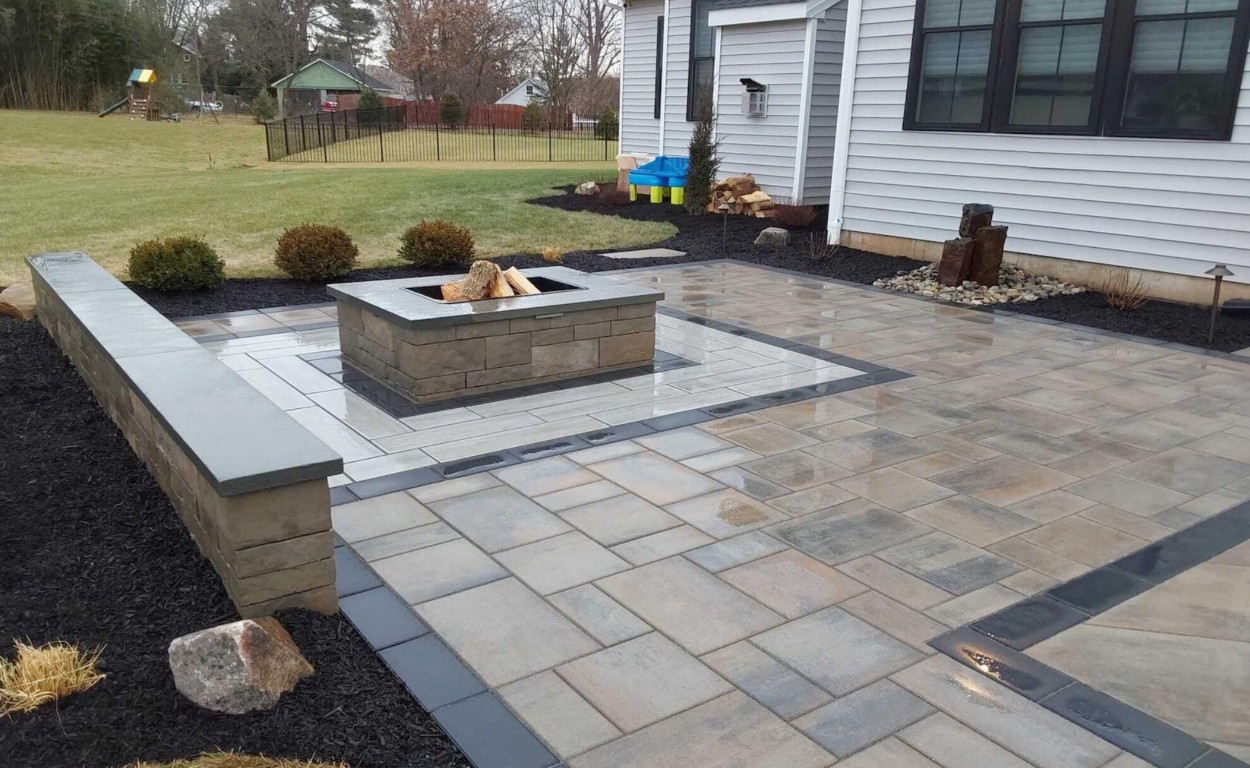
Masonry retaining walls combine function with appearance. Natural stone, brick, or decorative block creates walls that look as good as they perform. These walls cost more due to material and labor but add significant curb appeal. Many homeowners choose masonry for walls visible from the street or next to outdoor patios where appearance matters.
How We Engineer Retaining Walls
A retaining wall is not just a stack of blocks or a concrete slab standing upright. It is an engineered structure resisting tremendous force from the soil and water behind it. Poor design leads to walls that lean, crack, or fail completely within a few years. We design walls to last decades.
Critical Design Elements:
Foundation depth is where it starts. The base of a retaining wall needs to sit below the frost line on solid, undisturbed soil or compacted gravel. Shallow foundations shift with freeze-thaw cycles. We excavate to proper depth even when it means more digging and cost because a solid foundation prevents future failure.
Drainage behind the wall is equally important. Water weighs 62 pounds per cubic foot. When water builds up behind a retaining wall, the pressure is enormous. We install drainage systems including perforated pipe, gravel backfill, and weep holes that let water escape. This prevents hydrostatic pressure from pushing the wall over.
Reinforcement handles the tension forces trying to break the wall. Steel rebar gets placed in a grid pattern and tied together properly. The concrete encases this steel and the two materials work together to resist bending and cracking. Walls over three feet tall typically need engineered reinforcement schedules based on soil conditions and wall height.
Footings spread the load over a wider area. A retaining wall footing is typically twice as wide as the wall itself and extends in front of the wall. This prevents the wall from sliding or tipping forward under the soil pressure. The footing and wall get poured as one continuous piece of concrete when possible for maximum strength.
Building codes regulate retaining walls over a certain height. In Connecticut, walls over four feet typically need permits and engineered plans. We handle the permitting process and work with structural engineers when required. This ensures your wall meets code and passes inspection. It also protects you from liability if something goes wrong later.
Some projects need tiered walls instead of one tall wall. Multiple shorter walls with level spaces between them look better, cost less, and handle drainage more effectively than a single tall wall. We design these terraced systems to work together while giving you usable space at each level.
Frequently Asked Questions
Ready to Build Your Retaining Wall?
Get a free site evaluation and quote from experienced masonry professionals.
(203) 884-8612