
Concrete Patios
Create an outdoor living space that handles weather, wear, and everyday life with style.
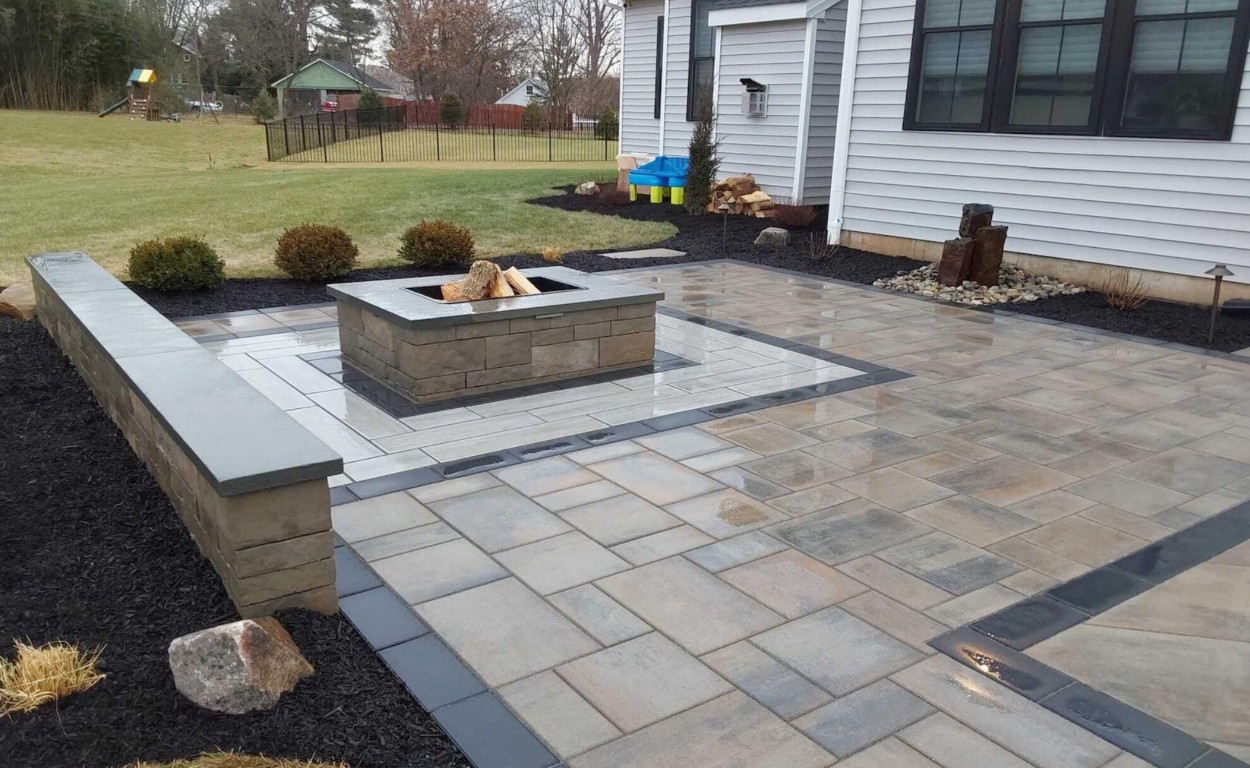
Why Concrete Beats Other Patio Materials
You want a patio that looks good and actually gets used, not one that becomes a maintenance headache. Wood decks rot, warp, and need constant staining. Pavers shift and settle, creating tripping hazards and letting weeds grow between the stones. Natural stone costs a fortune and still needs regular maintenance.
Concrete gives you a solid, stable surface that stays level and doesn't shift with freeze-thaw cycles. Unlike wood, it won't splinter, rot, or attract termites. You're not replacing boards every few years or spending weekends pulling weeds from between pavers. A properly installed concrete patio in Hamden, CT can last 30 years or more with minimal care.
The cost makes sense too. You'll pay more upfront than basic pavers, but less than natural stone or a quality deck. Factor in the lifespan and low maintenance, and concrete delivers better value. You're not resealing every year or replacing damaged sections because of settling or weather damage. Partnering with a skilled concrete patio contractor from the start is what separates a slab that lasts decades from one that cracks and settles within a few years.
Concrete patios also offer design flexibility that surprises most people. Standard gray concrete is the budget option, but you can add color, texture, and patterns. Stamped concrete mimics the look of stone or brick at a fraction of the cost. Stained or dyed concrete creates unique color schemes. You can combine smooth and textured areas, add borders, or integrate the patio with other hardscape elements around your yard.
Designing Your Perfect Outdoor Space
Your patio should fit how you actually use your backyard. A family with kids needs different features than empty nesters who entertain. We start by understanding what you want to do with the space and work from there.
Size and Shape That Makes Sense
The size of your patio depends on how you plan to use it. A small bistro set for morning coffee needs maybe 10 by 10 feet. A full outdoor dining setup with room to move chairs needs at least 12 by 16 feet. Add a grill station and conversation area, and you're looking at 16 by 20 feet or larger.
Shape matters for function and flow. Rectangular patios work well against the house and make furniture placement easy. Curved or irregular shapes can follow your yard's natural contours and create a more organic feel. We can design multi-level patios that define different activity zones, like a dining area that steps down to a fire pit lounge.
Planning for Drainage and Accessibility
A patio needs proper slope to shed water away from your house. We grade the surface so water runs off naturally without creating puddles or drainage problems. The transition from your door to the patio should be smooth and safe. We match the height to your door threshold or add steps where needed.
Shade and sun exposure affect comfort. A patio in full sun all day gets hot in summer. One in constant shade might stay damp and develop mildew. We help you think through these factors during design. You might want to orient the patio to catch evening sun, or plan for a pergola or umbrella to provide shade. Experienced cement patio contractors will walk you through all of these design decisions before a single shovel hits the ground, ensuring the finished space matches both your vision and your site's conditions.
- Custom size based on your furniture and activities
- Shape that complements your yard layout
- Proper slope for drainage away from house
- Safe, level transition from doors
- Consideration of sun exposure and shade
- Integration with landscaping and other features
- Room for future additions like fire pits or outdoor kitchens
The Installation Process
Building a concrete patio right means doing it in stages. Rushing the prep work leads to problems later. We take the time to do each step properly because that's what creates a patio that lasts decades.
First comes excavation and site prep. We remove grass, topsoil, and any unstable material down to solid ground. The depth depends on your soil conditions and local frost depth. We typically excavate 8 to 10 inches to allow for the gravel base and concrete thickness. Poor soil gets removed and replaced with compacted fill.
The gravel base provides drainage and a stable foundation. We use crushed stone that compacts well and doesn't shift. This layer gets compacted in lifts with proper equipment, not just dumped and raked smooth. Proper compaction prevents settling that could crack your concrete later. We install the base with a slight slope away from your house for drainage.
Forms define the patio shape and hold the concrete in place while it cures. We set these carefully to match your design and ensure proper height and slope. Before pouring, we add reinforcement like wire mesh or rebar. This steel helps control cracking and adds strength.
The concrete pour needs to happen in good weather. We avoid extreme heat or cold, and never pour if rain is forecast. The concrete gets placed, leveled, and worked to remove air pockets. Finishing includes getting the right texture for your needs. A smooth troweled finish looks sleek but can be slippery when wet. A broom finish provides traction. If you want stamped patterns or color, those get applied while the concrete is still workable.
Curing is the final critical step. Concrete gains strength as it cures over several days. We protect the fresh concrete from drying too quickly, which can cause surface cracking. You'll need to stay off the patio for at least 24 hours, and wait a week before putting furniture on it. Full cure strength develops over 28 days.
Common Questions About Concrete Patios
Ready to Build Your Dream Patio?
Let's discuss your vision and create an outdoor space you'll love. We'll help you design a patio that fits your lifestyle and budget.
Call (203) 884-8612